OneSource Vitality Wellness Blog
Blog

Immune Boost IV Drips: What They Can and Can't Do This Flu Season
David Murphy
Snowbirds are landing at Sky Harbor, kids have been back in classrooms for two months, and the first holiday flights are already booked. Around this time every year, we start hearing the same question at our North Scottsdale clinic: should I get an immune boost IV before cold and flu season hits? It's a fair question. The answer depends on what you expect a drip to do, and on what the research can actually support.
What goes into an immune boost IV
Most immunity IV drips are built around a few nutrients your immune cells rely on. The exact formula varies, but common ingredients include:
- Vitamin C, which immune cells hold in high concentrations and use up quickly during infection
- Zinc, a mineral involved in developing and activating white blood cells
- B vitamins, which support energy metabolism when you're run down
- Fluids and electrolytes, to restore hydration
- Sometimes glutathione or magnesium, depending on your needs
We've already written a detailed look at what the science shows about vitamin C IV therapy, so we won't repeat it here. This post focuses on the bigger question: can a nutrient drip meaningfully change how your body handles cold and flu season?
more
B12 Shot Benefits: Who Actually Needs One, and Who Doesn't
David Murphy
Somewhere between 3% and 43% of older adults run low on vitamin B12, according to the National Institutes of Health. That's a strikingly wide range, and it tells you something useful: B12 status varies a lot from one person to the next. So do B12 shot benefits. For someone whose body can't absorb this vitamin well, an injection can change how they feel within weeks. For someone whose levels are already healthy, it may do very little. Knowing which group you're in is the whole point.
What B12 does in your body
Vitamin B12 has three main jobs. It helps build healthy red blood cells, it keeps the protective coating around your nerves intact, and it's needed to make DNA. When levels drop, red blood cells come out large and fragile, a condition called megaloblastic anemia. They carry oxygen poorly.
That's why low B12 can feel like a slow drain. Common signs include:
- Tiredness that doesn't match your schedule
- Pins and needles in the hands or feet
- Trouble with memory or focus
- A sore, smooth tongue
- Low mood or irritability
None of these is specific to B12. Thyroid issues, iron deficiency, poor sleep, and stress can all look similar. That overlap is exactly why we test before we treat.
more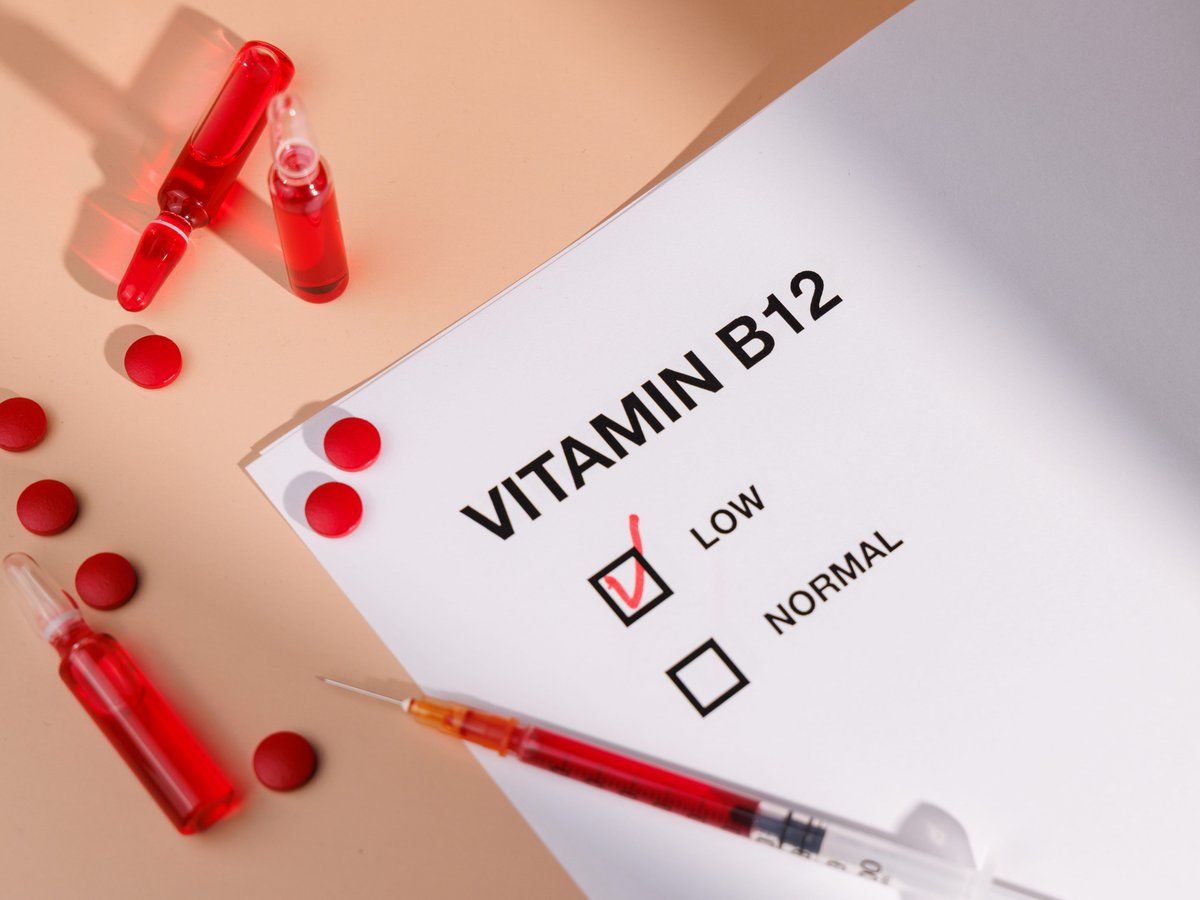
Lipotropic Injections in Scottsdale: An Honest Look at the “Fat-Burning” Shots
David Murphy
Lipotropic injections show up all over social feeds with bold promises and before-and-after photos, usually pinned to a number on a scale. A little skepticism is healthy. The honest version is more modest and more useful: lipotropic injections are a blend of B vitamins and compounds your liver uses to process fat, and they can support a weight and metabolism plan rather than melt fat on their own. At OneSource Vitality in Scottsdale, we'd rather you understand exactly what these shots are and aren't before you decide.
What's actually in a lipotropic injection
The classic recipe goes by the shorthand MIC: methionine, inositol, and choline, usually combined with vitamin B12. Each part has a job. Methionine is an amino acid your body uses in fat processing. Inositol helps cells respond to signals like insulin. Choline supports the liver's ability to move and break down fat, which is why choline and inositol are called lipotropic, literally “fat-loving,” compounds that help keep fat from collecting in the liver. The B12 rides along for a reason we'll get to. None of it is magic. It's a specific set of nutrients delivered by injection so absorption isn't left to chance.
more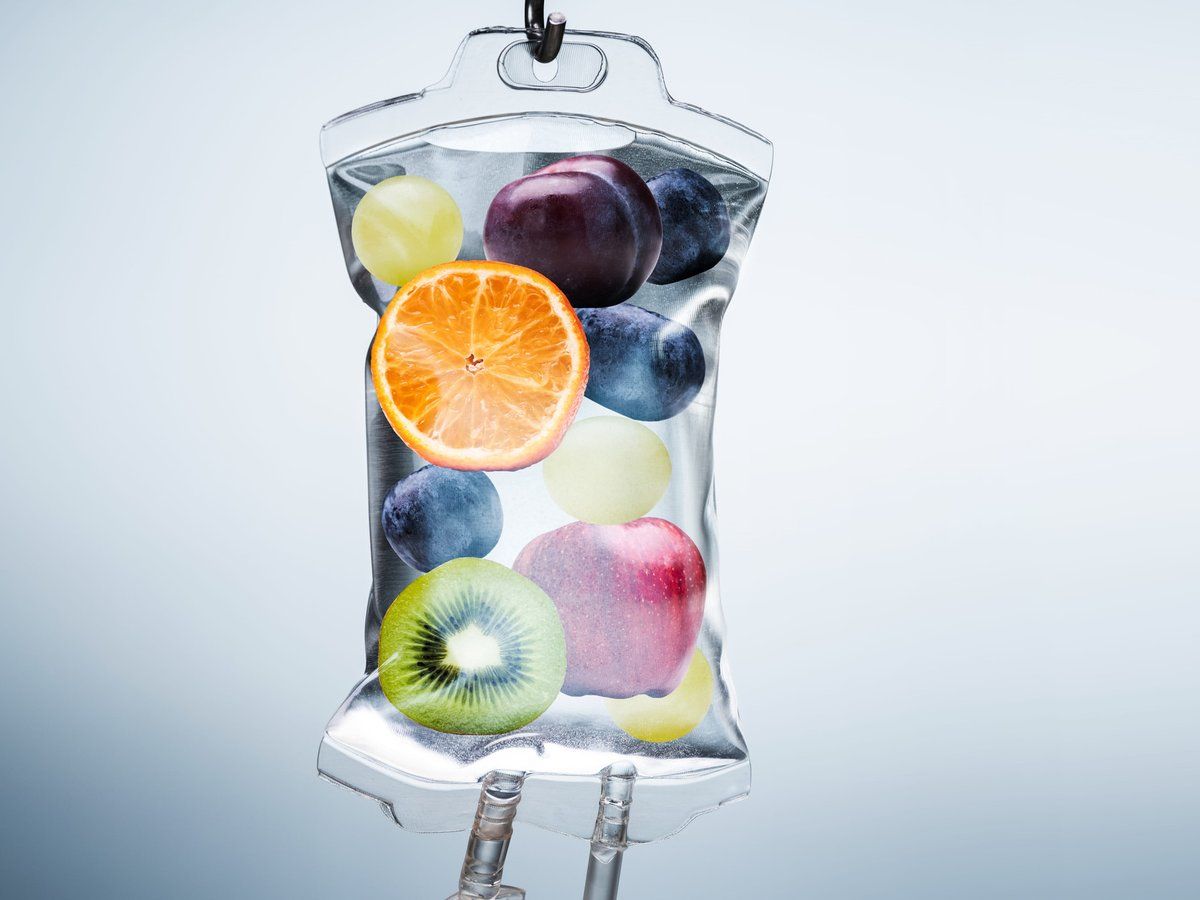
Vitamin C IV Therapy in Scottsdale: What the Science Actually Shows
David Murphy
Swallow a 1,000 mg vitamin C tablet and your body does something surprising with most of it: it lets it go. Past a certain point, your gut stops absorbing more and your kidneys clear the extra within hours. That ceiling is the whole reason vitamin C IV therapy exists. By placing vitamin C directly into a vein, a clinician can reach blood levels many times higher than any pill can produce, and that difference in concentration is where the interesting research lives. At OneSource Vitality in Scottsdale, patients ask about vitamin C infusions for immune support, skin, and recovery, so here's a straight look at what's proven and what's still being studied.
Why the delivery method changes everything
Oral vitamin C is tightly controlled by your body. A review from the NIH Office of Dietary Supplements shows that blood levels of vitamin C plateau even as oral doses climb, because absorption is limited and the kidneys flush the rest. An infusion skips that bottleneck. The same source notes that intravenous vitamin C can push plasma concentrations far higher than any oral dose, sometimes more than ten times higher. Numbers matter here. At those levels, vitamin C starts acting less like a simple nutrient and more like a therapeutic agent that researchers are still working to understand. That's the honest state of the science.
more
IV Therapy for Dehydration: What Arizona Heat Is Actually Doing to You
David Murphy
A round of golf in August. Two hours on a trail before the sun gets high. An afternoon on a job site off Pima Road. Any of those can cost you well over a liter of sweat per hour in valley heat — and IV therapy for dehydration exists because replacing the water is only half of what you lost.
The other half is sodium, potassium, magnesium, and chloride. Water alone doesn't put those back.
Here's what desert dehydration actually does, when a drip is the right answer, and — just as important — when it isn't.
Why Dry Heat Fools People
In humid climates, sweat sits on your skin and you can see how much you're losing. In Scottsdale, it evaporates almost the instant it forms. You stay dry, you feel fine, and you badly underestimate the deficit.
Thirst doesn't rescue you either. The thirst reflex tends to lag behind actual fluid loss, and it blunts further with age — which is why older adults dehydrate faster and notice later.
Cleveland Clinic lists the signs worth tracking: urine darker than pale straw, dry mouth, fatigue, dizziness or poor coordination, muscle cramps, and heat intolerance. Most people can name one or two of those on a hot afternoon and write them off as a normal summer day.
more
What's Actually in a Myers Cocktail? A Scottsdale Clinic Breaks It Down
David Murphy
In the 1960s, a Baltimore physician named John Myers began giving patients a slow push of vitamins and minerals through a vein. He treated people this way for roughly two decades and never published his formula. After he died in 1984, another physician reconstructed it from patient records, adjusted the ratios, and named it after him.
Six decades later, the Myers cocktail is still the most widely used IV nutrient formula in the country — and the question we hear most often at our Scottsdale clinic is the simplest one. What's actually in it?
Fair question. Here's the ingredient list, the evidence behind it, and where it stops.
The Five Components, and What Each One Is Doing
The formula is short. That's part of its staying power — every ingredient has a specific job.
Magnesium. The workhorse. Magnesium relaxes smooth muscle, which is why the original clinical reports centered on migraines, muscle spasm, and asthma. It's also the ingredient you'll feel: a warm flush spreading through the chest as it goes in. That sensation is normal and fades within a minute or two if the drip is slowed.
Calcium. Paired deliberately with magnesium. The two minerals work as opposing partners in muscle contraction and relaxation, and the formula keeps them in balance rather than pushing one in isolation.
more
Glutathione IV Therapy in Scottsdale: The Master Antioxidant, Delivered Right
David Murphy
Your skin looks dull no matter how much water you drink, you feel heavy and sluggish, and you can't quite explain why. You eat well, you sleep, and still something feels off. Often the missing piece is a single molecule your body makes and burns through constantly: glutathione. And glutathione IV therapy is the most reliable way to restore it.
Glutathione is your body's master antioxidant — central to detoxification, immune defense, and clear, healthy skin. The problem is that stress, age, toxins, and poor sleep drain it faster than you can rebuild it. Here's what glutathione does, why swallowing it rarely works, and how an infusion at a Scottsdale wellness center restores it at levels you can actually feel.
Why Glutathione Matters More Than You Think
Every cell in your body makes glutathione, and for good reason. It neutralizes the free radicals that drive aging and inflammation, helps your liver clear toxins and heavy metals, and keeps your immune cells working the way they should. Research calls it the master antioxidant — the most important redox regulator your cells rely on to keep oxidative stress in check.
more
NAD+ IV Therapy in Scottsdale: The Cellular Fuel Behind Real Energy and Focus
David Murphy
You slept a full eight hours and still hit a wall by early afternoon. Coffee stopped touching it weeks ago, and the brain fog rolls in right when you need to think clearly. If that sounds familiar, NAD+ IV therapy is worth understanding, because the problem often isn't your willpower or your schedule. It's what's happening inside your cells.
NAD+ (nicotinamide adenine dinucleotide) is a molecule every cell uses to turn food and oxygen into usable energy. When levels drop, your mitochondria — the tiny engines inside each cell — can't keep up with demand. Here's what NAD+ does, why levels fall, and how a targeted infusion at a Scottsdale wellness center restores what your daily routine can't.
Why Your Cells Run Low on NAD+
NAD+ isn't optional. It sits at the center of energy production, DNA repair, and the activity of proteins called sirtuins that help regulate how your cells age. Without enough of it, the whole system slows down.
The catch is that NAD+ declines with age. By midlife, many people carry roughly half the NAD+ they had in their twenties. Chronic stress, poor sleep, heavy alcohol use, and constant cognitive load burn through it faster still. Peer-reviewed research ties this decline directly to reduced mitochondrial function and many of the changes we lump together as “just getting older” — lower energy, slower recovery, and a foggier head.
more
Red Light Therapy in Scottsdale: The Cellular Science Behind the Glow
Lie down in a red light therapy bed in Scottsdale and you'll wait for something to happen. Warmth, maybe. A tingle. Some signal that it's working.
You won't feel a thing. And that's exactly right.
Red light therapy, along with near infrared light bed therapy, does its work beneath the surface, at the level of your cells. It interacts directly with your mitochondria, setting off changes that show up later in your skin, your recovery time, your energy, and how rested you feel. No sensation needed.
How Light Bed Therapy Works, In Plain Terms
Your cells run on ATP, produced by tiny structures called mitochondria. Those mitochondria carry a light-sensitive protein — cytochrome c oxidase — that responds to specific wavelengths of red and near infrared light.
When that light reaches them, cytochrome c oxidase activity climbs. ATP production rises. Oxidative stress drops. Cellular repair speeds up. The process has a name: photobiomodulation.
It's measurable, not theoretical. A controlled clinical trial in Photomedicine and Laser Surgery found that people treated with red and near infrared light showed significantly greater intradermal collagen density and smoother skin texture than untreated controls — driven by changes happening inside the cell, not on top of it.
more
The Scottsdale Wellness Center Guide to IV Vitamin Drips
Walk through the doors of a serious wellness center in Scottsdale, AZ and you'll find a lineup of therapies built to support your body in ways your daily routine can't. Among them, one stands out for how directly it works: IV vitamin drips.
No digestion to get in the way. No absorption guesswork. Just the nutrients your body needs, delivered straight to where they're needed most.
Here's what IV therapy actually does, why it's become a cornerstone service at North Scottsdale wellness centers, and how to know if it belongs in your routine.
Why IV Therapy Belongs in a Serious Wellness Center
A good wellness center in Scottsdale, AZ offers therapies that work through different doors into the body, light through the skin, oxygen through the lungs, electromagnetic pulses through tissue. IV therapy takes the most direct route of all: straight into the bloodstream.
That direct route matters more than most people realize.
Anything you swallow has to survive a gauntlet first. Your stomach breaks it down, your intestinal lining absorbs a fraction of it, and your liver filters what's left before it ever reaches your cells. Gut inflammation, stress, age, and certain medications shrink that fraction even further.
moreStart Your Wellness Journey with Us
Rediscover what it feels like to truly thrive. Whether you’re looking for targeted support or a complete wellness transformation, OneSource Vitality is here to provide the resources, expertise, and compassionate care you deserve.